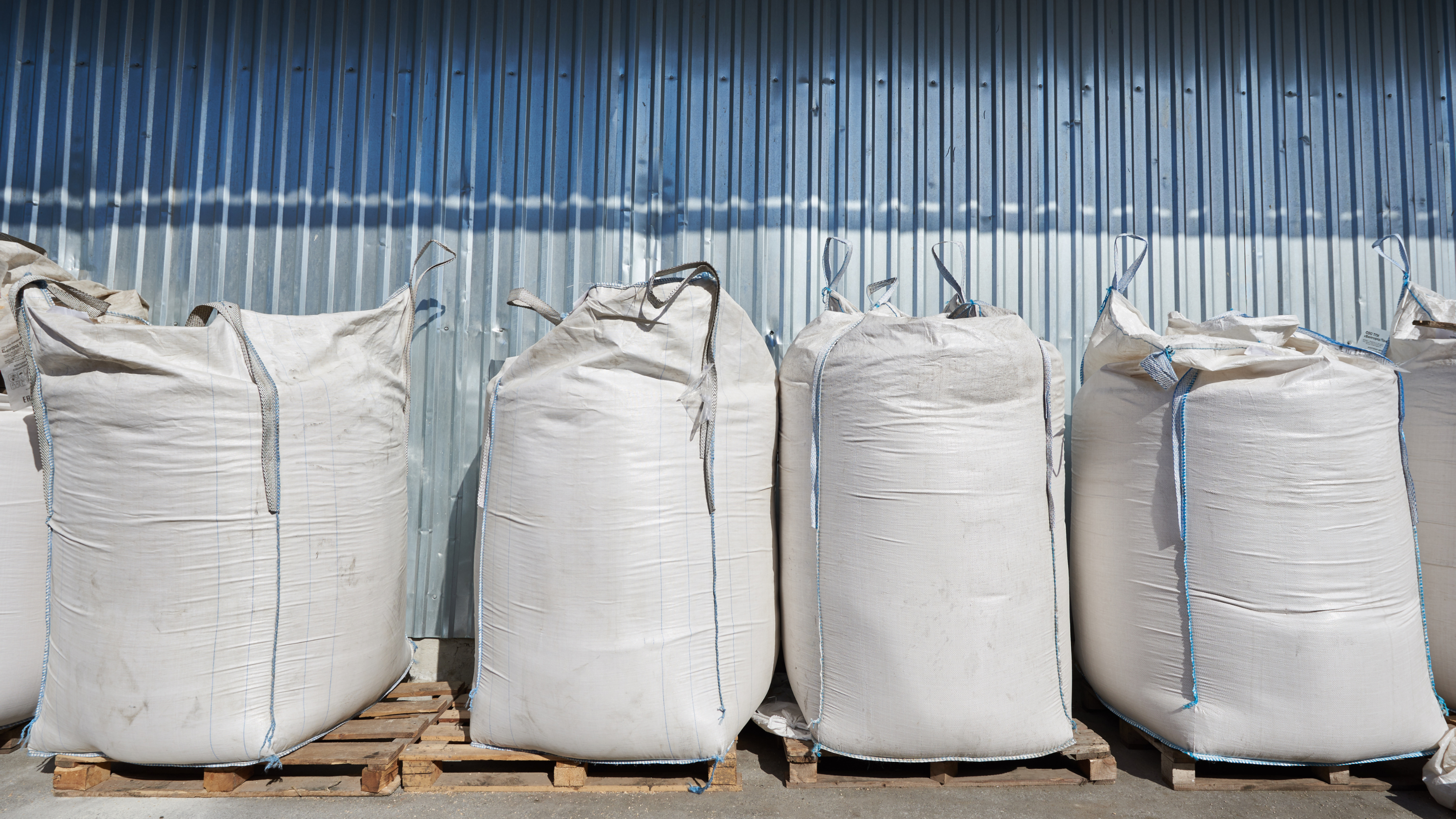
Packaging producer responsibility applies to a wide range of companies and packaging materials, including fertilizer bags, feed packaging and cardboard boxes used for agricultural supplies. However, the collection and recycling of these materials depend on statutory producer responsibility.
Sumi customer Hankkija fulfills its packaging producer responsibility obligations through Sumi, but its efforts to promote material recycling go beyond legal requirements. Hankkija also participates in voluntary agricultural plastic recycling.
Producer responsibility means that companies placing packaging on the Finnish market are responsible for organizing and covering the costs of its collection and recycling. In practice, companies fulfill these obligations through a packaging producer responsibility organization.
"The basic idea behind producer responsibility is simple: responsibility for packaging continues even after it has served its original purpose. The goal is to recover as much packaging material as possible and use it as raw material for new products," explains Anne-Mari Kulju, Head of communications and sales at Sumi.
Hankkija fulfills its packaging producer responsibility through Sumi
Hankkija, a supplier of agricultural products and supplies, has chosen Sumi as its packaging producer responsibility organization. Through Sumi, Hankkija fulfills its producer responsibility obligations and reports data on the packaging it places on the market.
Domestic recycling was one of the factors Hankkija considered when choosing a producer responsibility organization. Sumi favors domestic recycling partners and actively promotes circular economy for packaging materials in Finland.
Producer responsibility may not be particularly visible in the day-to-day operations of a farm, and it doesn't need to be. Behind the scenes, however, it ensures that packaging collection and recycling work as they should.
Successful producer responsibility depends on entire value chain
Producer responsibility provides a system for collecting and recycling packaging, but one important step takes place wherever packaging is emptied and discarded. Used packaging must be sorted correctly and placed in the correct collection bins.
"Recycling is ultimately a chain in which everyone has a role to play. Companies are responsible for reporting, collection, recycling and the associated costs, but sorting on the farm determines whether packaging materials can actually be recovered. The cleaner the material is and the more accurately it is sorted before collection, the better its chances of being used as raw material for new products," Kulju says.
A recycling system for agricultural plastics
In addition to packaging, farms generate other recyclable materials. Large quantities of bale wrap and silage cover film are used in agriculture every year, but these materials are not yet covered by statutory producer responsibility. After use, much of this high-quality plastic material has gone unrecycled because there has been no comprehensive collection and recycling solution for agricultural plastics.
To meet this need, Sumi established its subsidiary Suomen Maatalousmuovien Kierrätys Oy (SuMaKi). The company was founded by manufacturers, importers and sellers of agricultural plastics who voluntarily joined forces to promote the recycling of plastics they use and place on the market.
SuMaKi organizes agricultural plastic collection nationwide. The service is designed to make recycling as easy as possible for farmers: they can use SuMaKi's mobile app to arrange free collection of used agricultural plastics directly from their farms. The collected plastics are sent for recycling and used as raw material for new plastic products.
"There was a clear need for a solution to recover and recycle the large quantities of agricultural plastics generated on farms. Through SuMaKi, companies in the industry have voluntarily come together to take responsibility for recycling these materials. Hankkija has been involved from the very beginning as one of SuMaKi's founding companies," Kulju explains.